Skip to content
Orders over $100 receive FREE shipping! *Exclusions apply
Orders over $100 ship for FREE!! *Exclusions apply

Thermal Targets

Most pest control happens after sunset. Foxes, rabbits, and feral pigs all move at night, and so do serious hunters. If your optic is thermal but your targets are paper, you're practising blind. A thermal target gives you a proper aiming reference in the same conditions you'll be shooting.

At H. Rehfisch & Co., we stock thermal targets for shooters who use thermal optics and want range sessions that reflect real-world hunting conditions. Order online with fast Australia-wide shipping, or visit our Ballarat gun shop to talk through your night shooting setup.

What Is a Thermal Target?

A thermal shooting target is designed to produce a clear heat signature that is easily visible through a thermal optic. Unlike paper or steel, which can be difficult or impossible to read clearly on a thermal display, thermal targets for shooting are built to contrast against the background, giving you a defined aiming point at any hour.

The most common formats use heat-retaining materials or self-heating inserts that emit a consistent thermal signature. Some thermal shooters targets use chemical reactions or purpose-built materials that hold heat long enough for extended shooting sessions. You’ll gain a target that behaves the same way a warm-bodied animal does on your screen, which is the whole point.

If you're zeroing in on a new thermal scope, confirming hold-over at distance, or running timed drills before a property pest control job, thermal targets are the practical tool for the job.
Read More +

Why Thermal Target Practice Matters

Shooting through a thermal optic is a different skill set from daylight optics. The image palette, aiming reference, reticle behaviour, and target contrast all work differently. Trying to learn that skill set for the first time at 11pm in a paddock, with real animals moving, is not the way to go.

Thermal shooting targets let you build that familiarity on your terms and at your range, at known distances, with time to make adjustments. Zero your rifle properly. Test different ammunition to see how the point of impact shifts. Confirm your thermal optic is dialled in before you need to rely on it.

Experienced night shooters also use thermal targets for shooting to test equipment in cold conditions. Thermal performance can shift between a warm afternoon and a cold winter night. Running your setup on a thermal target in actual low-temperature conditions catches those discrepancies before they cost you a clean shot in the field.

Choosing the Right Thermal Target for Shooting

A few things to consider when selecting thermal shooters targets:

Heat signature intensity and duration vary between products

Some thermal targets for shooting run hotter and hold heat longer, which is useful for extended sessions or cold nights where ambient temperature is low and contrast drops. Check what the target is rated for in terms of session length and recharge time.

Size and format should reflect your shooting distances and intended use

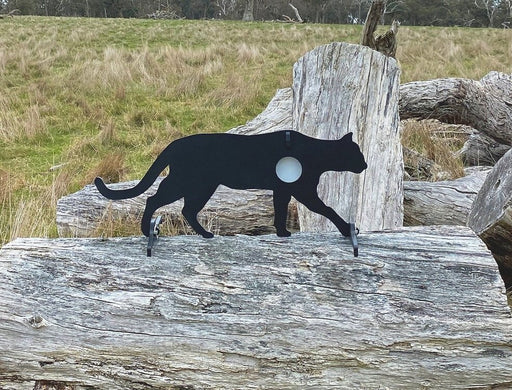
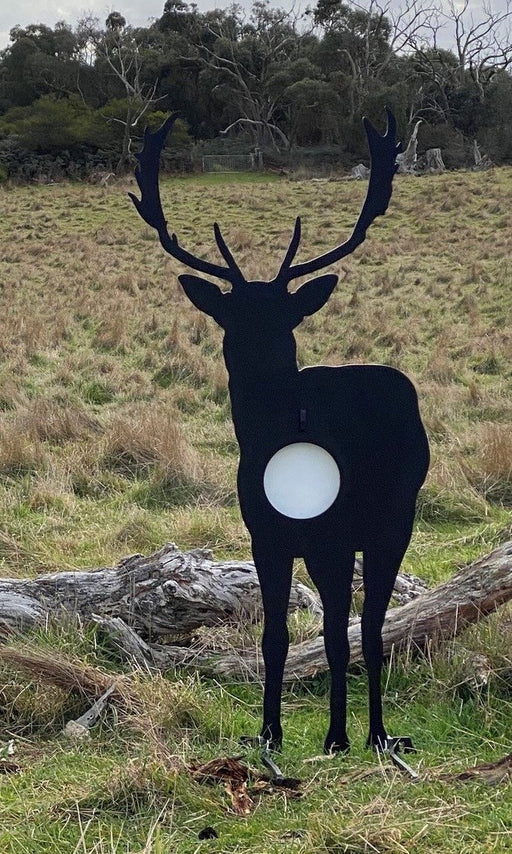
A smaller thermal shooting target at 100 metres tests precision. A larger format at longer range suits confirmation shooting and scope zeroing. Consider whether you want a silhouette format (pest animal shapes that mirror what you'll see on a thermal screen) or a simpler plate-style target.

Compatibility with your optic matters more than most expect

Different thermal optics render heat signatures differently depending on their sensor sensitivity, colour palette settings, and magnification. If possible, test your thermal target format with your specific optic before committing to a large purchase.

For daytime practice, our steel targets and Bunnies of Balyang range cover reactive and silhouette formats. For broader animal silhouette options, see animal targets.

Building a Complete Night Shooting Setup

Thermal targets are part of a properly equipped night-shooting kit. The other pieces matter just as much.

Your optic is the foundation. A quality thermal optic with appropriate sensor resolution and detection range is what makes the rest of the setup work. There's no point running premium thermal shooters targets through a budget sensor that can't resolve a clean aiming point at distance.

Match your rifle and calibre to the intended use. Night shooting for foxes at 200 metres calls for a different setup than pig hunting in scrub at 80. Pair your firearm and ammunition to the job, then use thermal targets for shooting to validate the combination at realistic distances.

A good scope for daytime use alongside your thermal setup means you're covered across a range of conditions. Some shooters run a dedicated thermal rig and a separate daylight rifle; others use clip-on thermal units that attach ahead of a standard day scope. Either way, practice on thermal shooting targets keeps both setups honest.

Don't overlook storage and security. Quality thermal gear and firearms need proper gun safe storage, both for licensing compliance and to protect the investment.

Shop Thermal Targets at H. Rehfisch & Co.

Rehfisch & Co. has been equipping Australian shooters and hunters for over 160 years. We stock thermal targets because night shooting is serious business and the right practice gear makes a noticeable difference.

Order your thermal shooting targets online with fast delivery across Australia, or drop into our Ballarat store and talk through your full night shooting setup with staff who use this gear.

Frequently Asked Questions

How does a thermal target work?

Thermal targets for shooting produce a heat signature that registers clearly on a thermal optic's sensor, giving you a defined aiming point in low-light or no-light conditions. Most use heat-retaining materials or self-heating elements that emit contrast against the cooler background, replicating the thermal profile of a live animal.

Can I use a thermal target with any thermal optic?

Most thermal shooting targets are compatible with standard thermal optics, but performance varies depending on your sensor's resolution and sensitivity. Higher-end optics resolve thermal signatures more clearly at distance. Test your specific optic with a thermal shooter's target before building a full range setup around it.

What distance should I use thermal targets for shooting practice at?

Match your practice distance to your real-world shooting scenarios. For fox and rabbit control, 100–200 metres covers most situations. Pig hunting in tighter country might call for closer work. Use your thermal target at the distances you'll shoot to get meaningful practice data.

Do thermal targets work in warm weather?

Thermal targets can be harder to see against a warm background in summer conditions, since ambient temperature reduces contrast on the thermal display. Purpose-built thermal shooters targets are designed to produce enough signature differential to stand out even in warmer conditions, but performance is generally better in cooler weather.

How long does a thermal target hold its heat signature?

Duration varies by product, some thermal shooting targets hold a clear signature for 20–30 minutes per charge, others longer. Cold ambient temperatures drain heat faster. Check the manufacturer's spec for session duration and factor in recharge or reset time when planning your range sessions.
Read Less -